Having wet carpets in your home is a stressful and often traumatic experience. Whether it is the result of a burst pipe, a storm surge, a leaking appliance or a flooded river, the clock starts ticking the moment water contacts your carpet. Mould can begin growing in as little as 24 to 48 hours — and once it takes hold in the underlay and subfloor, the damage becomes far more costly and difficult to reverse.
This guide walks you through exactly what to do in those critical first 24 hours, when to call a professional, and how to protect your family — including the most vulnerable members — from the health risks that wet carpet creates.
Your First Steps — Act Immediately
The most important principle in any water damage situation is speed. Every hour that passes allows water to migrate deeper — from carpet fibres into the backing, through to the underlay, and ultimately into the subfloor and wall cavities. Here is what to do as soon as it is safe to enter the affected area.
Before entering a flooded room, ensure all electrical connections in that area are switched off at the switchboard. Never enter standing water with live electricity present. If you are unsure, contact an electrician before proceeding.
-
Move contents to a dry area Move as much furniture, bedding, clothing and personal items as possible to a dry part of the home. Unpack cupboards and wall units if needed. Be aware that wet timber furniture can cause secondary staining on dry flooring — place kitchen foil or plastic sheeting under furniture legs to prevent this.
-
Extract water immediately Hire a commercial-strength wet vacuum or carpet extraction machine. Companies like Kennards Hire can often deliver directly to your home. Extract the carpet thoroughly, then wait 30 minutes, walk across the carpet to push moisture from the underlay back up into the fibres, and extract again. Repeat this process as many times as possible.
-
Lift the carpet and remove wet underlay Wet underlay almost always needs to be removed and replaced. It retains moisture far longer than carpet fibres and is the primary site for mould incubation. Pull back the carpet from the edges and remove the underlay. Dispose of it promptly.
-
Treat the subfloor with antimicrobial solution Even after removing the carpet and underlay, do not skip treating the subfloor. Apply an antimicrobial or antifungal treatment to the exposed subfloor before relaying any new underlay. This step is critical and is frequently overlooked in DIY attempts.
-
Set up airmovers and dehumidifiers If you have the knowledge and access to equipment, hire industrial airmovers and dehumidifiers to accelerate the drying process. Position airmovers to create airflow across the wet surface and direct moisture toward the dehumidifier. Monitor humidity levels and continue until the subfloor and carpet are genuinely dry — not just dry to the touch.
-
Document everything for insurance Photograph all damage before you begin cleaning up. Keep receipts for any equipment hire or professional services. Check your policy — not all policies cover every type of water ingress. River flooding is very often excluded, while burst pipe damage is typically covered.

Children who play on carpets are among the most vulnerable to mould-related health risks from inadequately dried wet carpet.
Why Mould Is the Real Danger
Many homeowners make the mistake of thinking that if the carpet feels dry to the touch, the problem is resolved. This is one of the most dangerous misconceptions in water damage restoration. Water travels downward through gravity — through the carpet fibres, through the backing, into the underlay, and into the subfloor. The surface may feel dry while significant moisture remains trapped below.
The conditions beneath a wet carpet are ideal for mould growth: it is dark, there is limited air movement, organic material is present in the carpet fibres and backing, and there is sustained moisture. In Sydney's humid coastal climate — particularly on the Northern Beaches — these conditions accelerate mould establishment significantly.
If you cannot get the carpet completely dry and the underlay replaced within 48 hours, removing and replacing the carpet is often the only way to avoid ongoing mould growth, persistent odours, and long-term health issues for your family. Hoping it will dry naturally is not a viable strategy.
Mould spores are invisible to the naked eye and become airborne when disturbed. Children who play on carpets, pets, and anyone with asthma, allergies or a compromised immune system are particularly vulnerable. If you can already smell a musty odour, mould incubation has likely already begun and professional remediation is required.
Understanding Water Types — Clean, Grey and Black
Not all water damage is equal. The source of the water determines the level of contamination and the appropriate response. Understanding this distinction is critical before you begin any clean-up.
| Water Type | Source Examples | Health Risk | DIY Appropriate? |
|---|---|---|---|
| Clean Water | Burst water pipe, rainwater, appliance supply line | Low | Yes — with proper equipment |
| Grey Water | Washing machine overflow, dishwasher, sink backup | Moderate | Caution — some contaminants present |
| Black Water | Sewage backup, river/stormwater flooding, toilet overflow | High — pathogens present | No — professional remediation required |
Black water — such as river overflows or sewage backup — is unsafe and requires specific occupational health and safety protocols. This is not something you should attempt to manage yourself given the potential health hazards to you and your family. A licensed water damage restoration company will have the appropriate protective equipment, containment procedures and disposal protocols.
Why No Two Water Damage Events Are the Same
The complexity of a water damage restoration job depends on a wide range of variables that interact with each other in unpredictable ways. Carpet fibres vary from wool, polypropylene and nylon to jute. Carpet backing materials differ. Underlay may be foam, felt, hessian or rubber. Subfloors may be concrete, particleboard or hardwood — each with different moisture absorption and drying characteristics.
Add to this the variation in household contents — from a minimally furnished modern apartment to a home with decades of accumulated belongings where there is very little space to move — and you begin to understand why a professional assessment is so valuable. An experienced water damage technician will assess all of these factors and recommend the most appropriate course of action for your specific situation.
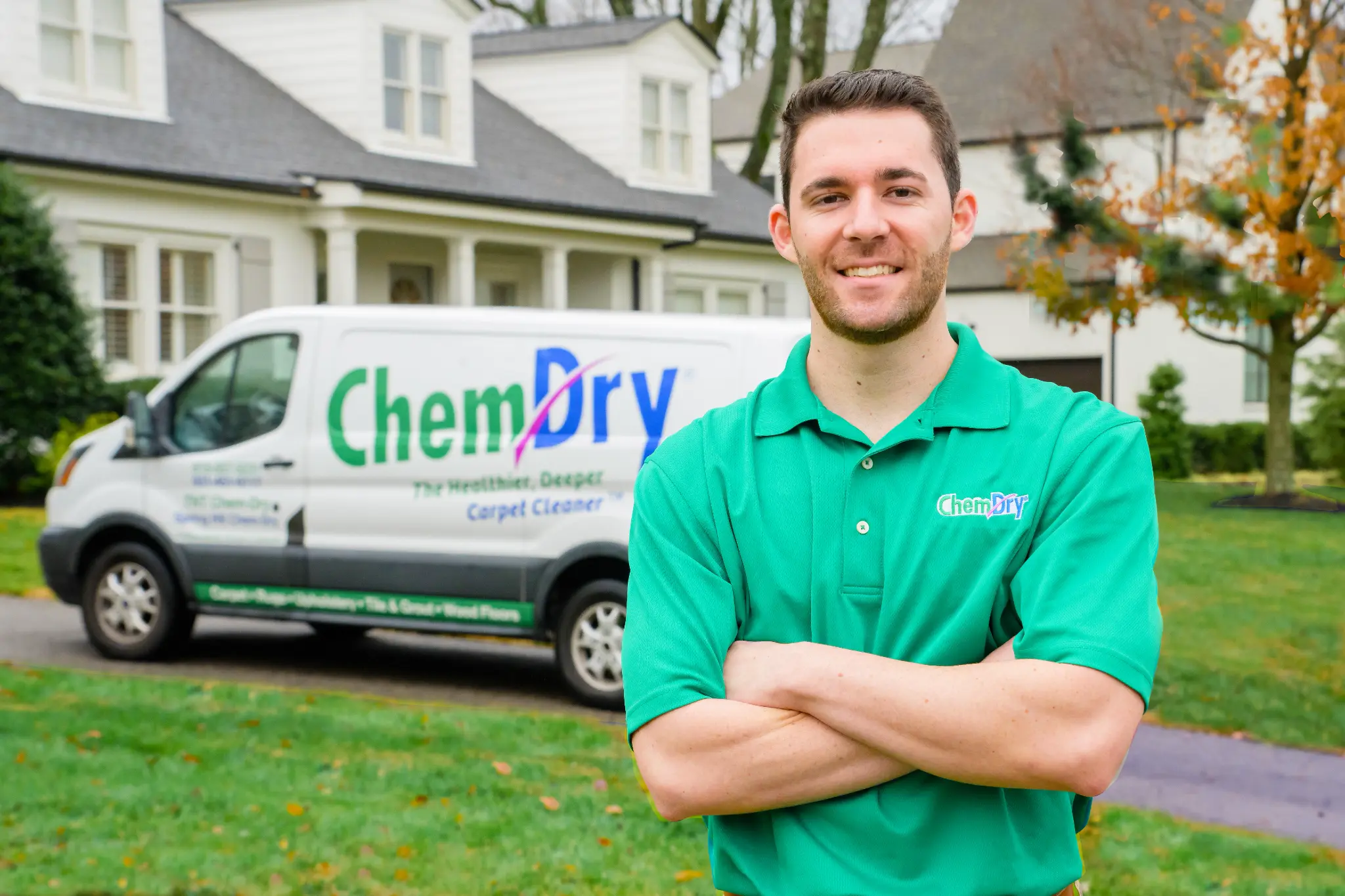
Chem-Dry Action's certified technicians are equipped with commercial-grade water extraction and drying equipment for water damage restoration across Sydney's Northern Beaches.
When to Call a Professional Water Damage Restorer
While fit and able individuals can manage the initial stages of a small, clean-water incident themselves, there are clear situations where professional assistance is not just advisable — it is essential.
The water source is grey or black water • A musty smell is already present • Structural damage is visible in ceilings, walls or subfloors • The affected area is larger than one room • You cannot access commercial drying equipment within 24 hours • The property is occupied by young children, elderly residents, or anyone with respiratory conditions
Water damage restoration requires knowledge, physical strength and specialist equipment. In most instances, without professional assistance you will not be able to fully protect your property from secondary damage — particularly the hidden damage that occurs in wall cavities and under subfloors where wet insulation can incubate mould for months without detection.
Professional restorers also carry moisture meters and thermal imaging equipment that can detect moisture in areas invisible to the naked eye, ensuring that drying is genuinely complete rather than superficially dry. They can also document the damage and drying process in a format that satisfies insurance company requirements.
How Chem-Dry Action Can Help
Chem-Dry Action has been serving Sydney's Northern Beaches since 1993. Our water damage restoration service uses commercial-grade extraction equipment, industrial airmovers and dehumidifiers to remove moisture rapidly and thoroughly from carpet, underlay and subfloor. Our Hot Carbonating Extraction process uses significantly less water than traditional steam cleaning — which means your carpet dries in hours rather than days, dramatically reducing the window for mould establishment.
We also apply professional-grade antimicrobial treatments to subfloors and affected surfaces as part of our restoration process, providing an additional barrier against mould and bacteria. Our technicians are trained in water damage assessment and can advise you on the most cost-effective course of action — whether that is restoration or replacement.
Frequently Asked Questions
Yes — if you act within the first 24–48 hours. The key is rapid extraction of water, removal of wet underlay, and thorough drying with airmovers and dehumidifiers. After 48 hours, mould begins to establish and the carpet may need to be replaced. The type of carpet fibre and the source of the water also affect whether restoration is viable.
Mould can begin growing in wet carpet within 24–48 hours, particularly in Sydney's humid coastal climate. Even if the carpet surface feels dry to the touch, moisture trapped in the underlay and subfloor creates ideal mould conditions — dark, still, moist, and with organic material present.
Clean water comes from burst pipes or rainwater and poses low health risk. Grey water contains mild contaminants from washing machine or dishwasher overflow. Black water — such as sewage backup or river flooding — contains dangerous pathogens and requires professional remediation with specific OHS protocols. Never attempt to clean up black water without professional assistance.
Yes. Wet underlay almost always needs to be removed and replaced. It retains moisture far longer than carpet fibres and is the primary site for mould growth. Even if the carpet itself can be saved, the underlay rarely can. After removing the underlay, treat the subfloor with an antimicrobial solution before laying new underlay.
It depends on your policy and the source of the water. Burst pipe damage is typically covered by home and contents insurance. River flooding is very often excluded. Storm surge and stormwater flooding coverage varies by policy. Document all damage with photographs before beginning any clean-up, and contact your insurer as soon as possible. A professional water damage restorer can provide documentation in the format required by insurers.
Summing Up
Wet carpet after a flood or water damage event is a time-critical emergency. The single most important thing you can do is act quickly — extract as much water as possible, remove wet underlay, treat the subfloor, and get airflow moving through the affected area. If you cannot achieve genuine dryness within 48 hours, or if the water source is grey or black water, call a professional immediately.
Our advice is simple: do as much as you safely can, call an expert, and make an insurance claim if you are covered. The cost of professional restoration is almost always less than the cost of carpet replacement, structural repairs, and the health consequences of untreated mould.
If you are on Sydney's Northern Beaches and need urgent assistance, call Chem-Dry Action on (02) 9977 7788 or request a quote online. We respond quickly to water damage emergencies across Manly, Dee Why, Narrabeen, Mona Vale, Newport, Avalon, Palm Beach and all Northern Beaches suburbs.
References:
Kennards Hire — Equipment Hire
Chem-Dry Action — Water Damage Restoration
Ever Ready Solutions — Why Wet Carpet Is a Bigger Problem Than You Think