Mould on carpet is one of the most misunderstood — and underestimated — problems in Australian homes. On the Northern Beaches and across Sydney, our humid coastal climate creates near-perfect conditions for mould to take hold, particularly after storms, flooding, or even something as simple as a pot plant left sitting on carpet for too long.
When we talk about mould on carpets, it is important to understand that the problem rarely stays on the surface. The carpet fibres, the underlay beneath them, and even the subfloor can all be affected — often without any visible sign until the damage is already significant.
Two Types of Carpet Mould — and Why It Matters
Not all carpet mould situations are the same, and the treatment depends entirely on how deep the mould has penetrated.
1. Post-Water Damage Mould (Deep Penetration)
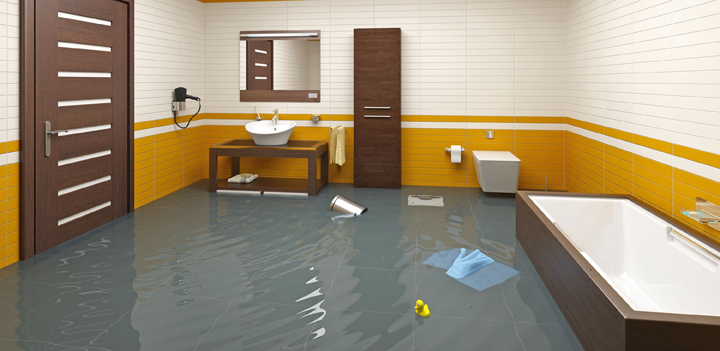
If your home has experienced a water damage event — a burst pipe, a storm flood, an overflowing bath — mould is likely already incubating in the underlay and subfloor, growing upward into the carpet from below. In this situation, topical cleaning of the carpet fibres alone will not resolve the problem. The carpet and underlay will most likely need to be removed entirely. The subfloor must be dried completely and treated with an anti-microbial solution before any new flooring is installed.
Important: Letting a water-damaged carpet dry out naturally is extremely unwise. Once mould takes hold underneath the carpet, spores multiply rapidly and spread to other soft furnishings and adjacent rooms. Always engage a professional water damage restorer promptly.
2. Surface Mould from High Humidity
During periods of high humidity — which are common on the Northern Beaches — mould spores can grow on the surface of carpet fibres without any water damage event occurring. In these cases, our Chem-Dry Action technicians are able to clean and sanitise the carpets effectively. The critical factor is ensuring the carpet dries as quickly as possible after treatment, which is where Chem-Dry's low-moisture Hot Carbonating Extraction process has a significant advantage over steam cleaning.

A Chem-Dry Action technician assessing carpet condition with a homeowner — identifying mould risk early makes all the difference.
How Does Mould Start? Localising the Problem
Mould requires three things to grow: moisture, a food source (organic material such as carpet fibres and dust), and warmth. Sydney's climate provides the warmth year-round. The moisture comes from a variety of sources — some obvious, some surprisingly subtle.
External Sources
- Storms causing water to enter the home via the roof, walls, windows, garage or doors
- Water runoff from rivers, creeks and external drainage blockages
- Runoff from gardens and landscaping
- Properties below road level or at the bottom of a hill — particularly vulnerable given Sydney's intense and unpredictable rainfall
Internal Sources
- Hot water system failures, washing machine leaks, dishwasher overflows
- Bath overflows, cistern leaks, flex hose bursts
- Internal pipe leaks embedded in floors or walls
- Sewage backup
- Pot plants placed directly on carpet — watering plants over time saturates the carpet underneath, causing it to rot and mould to incubate in that area
- Poor ventilation combined with cooking and showering, which raises indoor humidity significantly
Gradual water ingress is particularly dangerous. It may take weeks or months before you notice a problem. By that time, mould incubation is well underway and the remediation required is far more extensive — and expensive — than if it had been caught early.
Types of Mould: Which Ones Should You Worry About?
There are around 12 mould variations found in the average Sydney home. Not all of them are dangerous or will affect your health — but some warrant serious attention. Here is a summary of the most common types:
| Mould Type | Colour | Health Risk | Notes |
|---|---|---|---|
| Cladosporium | Green / olive | Low — occasional allergy or asthma reaction | Very common; mostly harmless to healthy individuals |
| Aspergillus | Green / yellow / black | Low for healthy people; moderate for immunocompromised | Can cause sinus or lung infection in vulnerable individuals |
| Penicillium | Blue-green | Low — rare documented health effects | Linked in rare cases to cornea and heart chamber infections |
| Stachybotrys Chartarum | Black / dark green | High — releases toxic mycotoxins | Long-term exposure linked to Chronic Inflammatory Response Syndrome (CIRS) |
The one mould of serious concern is Stachybotrys Chartarum — commonly known as black mould. Its spores release toxic trichothecenes (a type of mycotoxin), and long-term exposure can lead to Chronic Inflammatory Response Syndrome. Symptoms may include itchy eyes, persistent runny nose, wheezing and asthma-like reactions.
It is important to note that not every person reacts to every allergen. If you suspect a mould-related health issue, your local GP can arrange appropriate testing. There are also companies that supply home mould testing kits to determine the type and volume of mould present in your home.
When to be concerned: Small amounts of visible mould in the bathroom or around windows are generally not cause for alarm. However, if you can smell mustiness or mould in a carpeted room, or if you can see visible mould growth on carpet or skirting boards, that warrants immediate professional investigation.

Chem-Dry Action's trained technicians are equipped for professional mould assessment and carpet sanitisation across the Northern Beaches and Sydney.
How to Limit Mould in Your Home
Prevention is always more cost-effective than remediation. The following measures significantly reduce the conditions that allow mould to take hold:
- Ventilate and dehumidify: Open windows regularly and use a dehumidifier in rooms prone to moisture, particularly bedrooms and living areas with carpet
- Clean visible mould promptly: Address small patches of visible mould immediately — but never spray mould with bleach-based cleaners, as this can spread spores and damage surfaces. Always wear appropriate PPE (gloves, mask)
- Maintain air conditioning filters: Dirty filters recirculate mould spores throughout the home
- Invest in air filtration: HEPA-grade air purifiers capture mould spores and other allergens from the air
- Act immediately after water damage: Do not wait to see if a wet carpet dries on its own — engage a professional within 24–48 hours to prevent mould from establishing
- Avoid placing pot plants directly on carpet: Use saucers and check regularly for moisture underneath
How Chem-Dry Action Can Help
Our technicians are highly experienced in the assessment and treatment of mould on carpets. We bring a professional mould remediation background to every job — which makes a significant difference in both the accuracy of our assessment and the effectiveness of our treatment.
For surface mould caused by humidity, our Hot Carbonating Extraction process cleans deep into carpet fibres using 80% less water than traditional steam cleaning. This means carpets dry in 1–2 hours rather than 1–2 days — dramatically reducing the risk of mould re-establishing after cleaning. We also apply a professional-grade sanitiser that neutralises bacteria and mould spores at the source.
For post-water damage situations, we will assess the extent of penetration and advise you honestly on whether the carpet can be saved or needs to be removed. We work alongside water damage restoration professionals and can coordinate the full remediation process if required.
If you are on the Northern Beaches or anywhere across Sydney and you suspect mould in your carpets — or if you have recently experienced water damage — do not wait. The longer mould is left untreated, the more extensive and costly the remediation becomes. Call us today for an honest assessment.
Concerned About Mould in Your Carpet?
Our experienced technicians serve the Northern Beaches, Sydney and surrounds. Call for an honest assessment — no obligation.